Interactive Technology: Exploring Robotics with MiTu and U Hand UNO
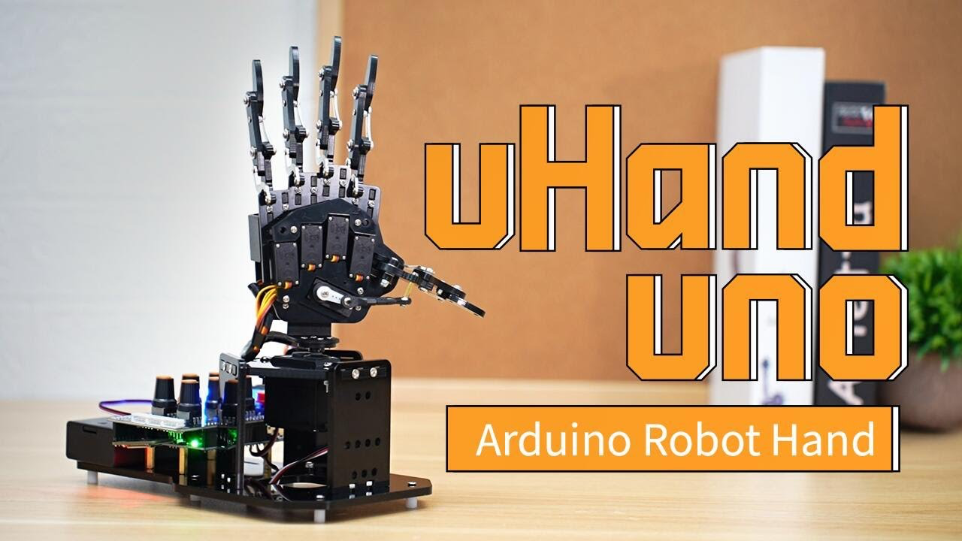
Objective of the project:
● To understand basic robotics concepts and programming through hands-on interaction.
● To learn how sensors, motors, and controllers work together to make robots perform tasks.
● To develop problem-solving, critical thinking, and collaboration skills.
Project Information:
How it works: Students build and program MiTu or U Hand UNO robots to perform simple tasks using block-based coding. Sensors detect obstacles or follow lines.
Real-life application: Robotics in manufacturing, automated vehicles, and educational tools for STEAM learning.
Engineering Bridges: Strength & Design
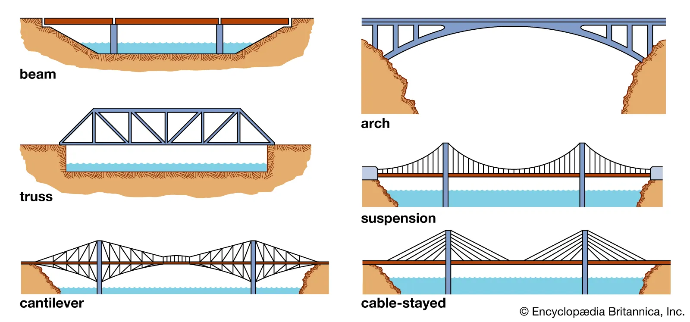
Objective of the project:
● To understand the principles of structural engineering and bridge design.
● To learn about forces, tension, and load distribution through hands-on construction.
● To develop problem-solving and critical thinking skills.
Project Information:
How it works: Students design and construct bridges using materials like sticks, straws, or LEGO bricks, testing them for strength and stability.
Real-life application: Civil engineering, construction of bridges and buildings, and safety design in infrastructure.
Smart Sensor System Using Micro:bit
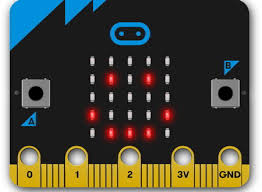
Objective of the project:
● To explore microcontrollers and sensors to create smart systems.
● To understand how sensors can collect data and trigger actions automatically.
● To enhance logical thinking, coding, and design skills.
Project Information:
How it works: Students program a Micro:bit to read sensor inputs (e.g., light, motion, temperature) and respond with outputs like LEDs, sounds, or messages.
Real-life application: Home automation, wearable health devices, environmental monitoring, and smart robotics
ICT Meets Robotics: LEGO WeDo – Code & Create
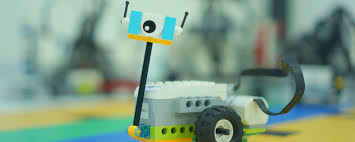
Objective of the project:
● To introduce robotics programming using LEGO WeDo kits.
● To develop coding skills through interactive challenges and storytelling.
To strengthen teamwork, design thinking, and computational thinking skills.
Project Information:
How it works: Students build LEGO models with motors and sensors and program their actions using drag-and-drop coding software.
Real-life application: Automation, robotics in education, and prototype modeling in engineering
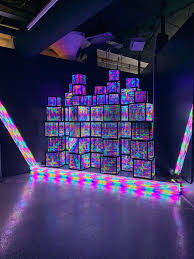
The Spark Zone: Light Up Your Ideas
Objective of the project:
● To explore circuits, electricity, and creative engineering ideas.
● To learn how to use LEDs, switches, and power sources safely in projects.
● To foster creativity in designing functional and artistic light-based inventions.
Project Information:
How it works: Students connect LEDs, wires, and switches to create light circuits that perform creative functions.
Real-life application: Decorative lighting, safety indicators, electronics in gadgets and devices
STEAM: Journey through the Sky (WISE 3)
Objective of the project: Explore different layers of the Earth’s atmosphere and understand their main features and importance to life on Earth.
● Describe one main feature of each layer.
● Explain why the atmosphere is important for life on Earth
● Identify where weather, ozone, satellites, and rockets are found.
Project Information
How it works: The Earth’s atmosphere is made of five layers. Each layer has a special job, such as making weather, protecting Earth from the Sun(Ozone), burning meteors or space rocks, and allowing rockets and satellites to travel. All thelayers work together to protect life on Earth.
Real-life application:
● Weather forecasting: Scientists study the troposphere to predict weather.
● Sun protection: The ozone layer in the stratosphere protects living things from harmful UV rays.
● Safety from space rocks: Meteors burn in the mesosphere before reaching Earth.
● Space travel: Rockets and the International Space Station travel in the thermosphere.
● Communication and GPS: Satellites in the exosphere help with phones, TV, and navigation.
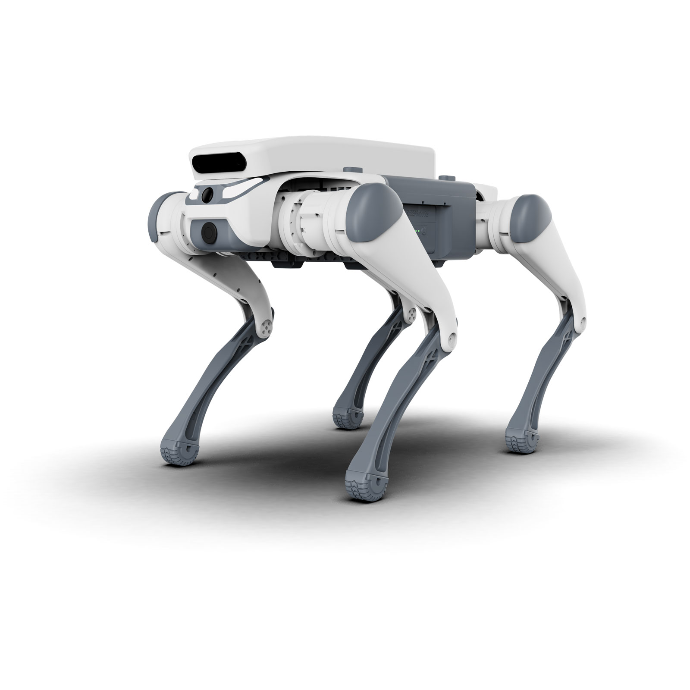
STEAM :Future Pets in Robotics: Smart Friends of Tomorrow
Objective of the project: To help students learn basic robotics and mechanical concepts through building and interacting with robotic dinosaurs and pets, while developing problem-solving skills, creativity, and interest in technology.
Project information
How it works: This project introduces robotic pets and models that move, respond, and can be built, helping students understand basic robotics and future technology.
Real life application:
Students learn how robotic pets can be useful in real life:
🧓 Helping elderly people as companions
🧠 Learning tools for children to understand technology
🐕 Pet alternatives for people who cannot keep real animals
🏥 Therapy and emotional support
🛠️ Engineering & robotics careers in the future
STEAM Next-Gen Education: Combining Sense XR and Merge Cube for Immersive Learning

Objective of the project:
➢ Improve understanding of complex and abstract concepts
➢ Enhance spatial and visual learning skills
➢ Increase student engagement and curiosity
➢ Promote experiential and self-paced learning
➢ Develop problem-solving and critical thinking skills
Build familiarity with XR technologies
Project information:
How it works: The project integrates Sense XR for creating immersive AR/VR learning content with the Merge Cube as a physical interaction tool.
1. Design immersive learning modules (STEAM, anatomy, geography, engineering)
2. Develop 3D interactive content using Sense XR
3. Map virtual models onto the Merge Cube for hands-on exploration
4.Enable rotate, zoom, and tap interactions
5. Test with learners and refine based on feedback
6. Deploy in classrooms or training environments
7. Outcome: A tangible, immersive learning system that replaces passive learning with interactive exploration.
Real life application:
● Schools: Interactive STEAM and science education
● Colleges & Universities: Medical, engineering, and technical training
● Healthcare: Anatomy visualization and procedure training
● Corporate Training: Equipment, safety, and skill-based learning
● Special Education: Multisensory and inclusive learning experiences
● Impact: Makes learning safer, more engaging, and more effective across education and training sectors.
ICT Creative Coding with MSWLogo: Learning Patterns, Colors, and Design
Objective of the project:
By doing this project, students will learn:
● Basic Coding Skills – giving instructions to a computer
● Color Commands – changing colors in drawings
● Repeat Patterns – creating designs easily using loops
● Logical Thinking – step-by-step problem solving
● Creativity – designing unique patterns
● Accuracy & Patience – fixing errors in code
● Confidence in Technology – learning to code without fear
Project information:
How it works: In this project, students use MSWLogo, a simple programming language, to create colorful patterns and designs using: color commands, repeat commands, basic shapes 1. Introduction to MSWLogo
- Learn what the turtle is
- Understand simple commands like: FD (forward), RT (right turn), LT (left turn), 2. Using Color Commands (Change pen colors, Create colorful drawings)
3. Using Repeat Command
- Use REPEAT to draw patterns
- Reduce typing and save time
4. Design Creation
- Draw shapes like squares, stars, flowers
- Combine colors and patterns
5. Final Display
- Show the finished design
- Explain how commands helped create it
Real life application:
Students learn that MSWLogo skills are useful in real life:
🎨 Designing patterns in art and graphics
💻 Computer programming and coding basics
🧠 Problem-solving in daily life
📐 Math learning (angles, shapes, symmetry)
🕹️ Game and animation design in the future

STEAM Rolling Adventures: The Ultimate Gravity Playground

Objective of the project: To help students understand basic science concepts through a fun and interactive marble project by building, observing, and explaining how marbles move, while learning about gravity, motion, energy, speed, inertia, simple machines, problem-solving, creativity, and teamwork
Project information:
How it works: Build three models: a paper roller coaster, a marble run maze, and a mechanical marble run with gears.
● Arrange all models together as one gravity playground display.
● Drop or roll marbles to observe how they move through slopes, turns, and gears.
● Demonstrate how gravity, speed, and machines affect motion.
● Explain observations using simple science words.
● Test, adjust, and improve the tracks so marbles move smoothly.
● Present the working models to show learning through hands-on play.
Real life application:
🎢 Roller Coasters – work using gravity and slopes
🚗 Roads & Ramps – cars move faster downhill
🏭 Machines with Gears – help lift and move objects
🏗️ Playgrounds & Slides – use gravity for fun
🚇 Escalators & Lifts – machines help people move up
ICT: Think, Play, and Learn with Scratch
Objective of the project:
To develop students’ basic coding skills through block-based instructions while strengthening logical thinking, decision-making with if–else conditions, creativity in designing games and questions, problem-solving through debugging, and confidence in using technology through fun and engaging coding activities.
Project information:
How it works: In this project, students use Scratch programming to create an interactive maze game and a quiz. The player moves a character through the maze. This helps students learn coding by playing and interacting.
Real life application:
🎮 Game design and animation
📚 Learning apps and quizzes
🧠 Problem-solving skills in daily life
💻 Foundation for future programming
🎓 Interactive education tools

Brainworks-Total School is hosting its 1st Annual WISE Science, STEAM, ICT, and Math Fair, an engaging and educational event that showcases the enthusiasm and creativity of students in these diverse fields. This exciting platform brings together projects that highlight innovation across Science, Technology, Engineering, Arts, and Mathematics, as well as cutting-edge developments in AI and robotics.
The Science, STEAM, ICT, and Math Fair 2025 celebrates the wonders of scientific discovery, technological advancement, and creativity.
This year, a special focus will be placed on AI projects, showcasing the transformative role of artificial intelligence in fields such as robotics, machine learning, and data science. Students will demonstrate AI-driven innovations, from autonomous robots to AI-powered vision systems, offering a glimpse into the future of technology.
Through these projects, students will not only hone their scientific and critical thinking skills but also explore how AI can help solve 21st-century sustainability challenges. The fair fosters global collaboration and encourages students to take on the responsibilities of shaping a future driven by technology and innovation.